
Our Collection
We provide a sense of place for those who live and visit Weardale by telling the stories of its history and heritage.
Weardale Museum
Our Collection section within the museum
Explore the museum through the collection below.
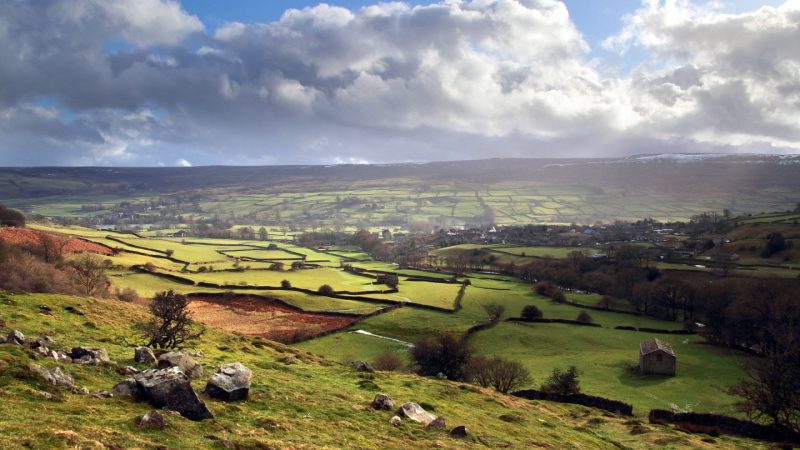
Vincent Organ
High House Chapel is home to a remarkable 1862 organ by C. J. Vincent, originally built for Victoria Hall in Sunderland. The organ is an important part of the chapel’s story and its restoration will help bring music and performances back to this special Weardale landmark. The museum’s plans include future concerts featuring the restored organ.
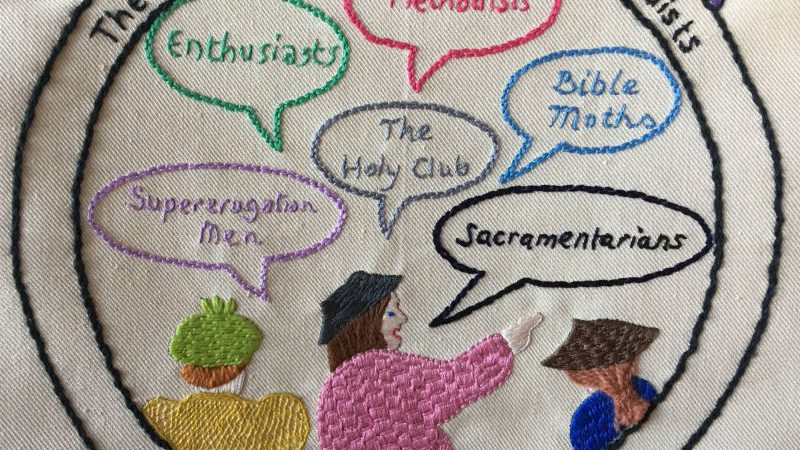
Quilts & Textiles
Our textiles collection is varied. It tells the story and paints a picture of life in Victorian Weardale — not in books and not in oils, but in stitch. Anything to do with textiles was mainly ‘women’s work’ (although some of the best professional quilters were men). Yet women’s work was largely unrecorded in the written word. Our textile collection therefore gives us a window into the past — into what most women were doing alongside their all-day (and half the evening), everyday domestic and, often, smallholding tasks: keeping the family together and ensuring the wage-earners got to work. Quilting, particularly Durham quilting, is featured through the legacy of Amy Emms, who was — along with others — instrumental nationally in saving this craft from extinction. Interestingly, frame quilting is once again in danger and now features on the Endangered Heritage Crafts List. Weardale is surely the spiritual home of Durham quilting, and nowhere else, apart from Weardale Museum, can truly claim Amy — and our feature exhibition — as their own. We have samplers, which demonstrate how girls learnt their reading, arithmetic and scriptures, and rag rugs, which added warmth and comfort to cold stone floors. We have costume to show how people dressed, and items relating to knitting, spinning and weaving — all essential to producing the thread and fabric needed to make clothing. We are proud to display the superb and unique ‘Weardale Story Tapestries’ — five embroidered panels describing the history of the Dale — alongside our signature ‘Methodist Tapestries’ collection (which has its own webpage). The collection is not huge, and we are excited that the extended museum will allow us to grow it further. We even discovered a mystery quilt tucked away in a cupboard — now the subject of research. Perhaps there are more treasures still to be found. Come and see…
Lead Miners Cottage
Lead mining helped shape life and work in Weardale for centuries. Miners worked underground veins in the hills, and generations of local families were connected to the industry. The mines also left their mark on the landscape and on the communities that grew around them. At the Weardale Museum, discover more about this important part of the Dale’s history and the people whose working lives were bound to it.
Minerals
Weardale is known for its mineral wealth, and the area’s mines produced more than lead. The Museum’s collection includes local mineral specimens that offer a glimpse into the geology beneath the Dale and the minerals that drew miners underground. Each specimen tells part of the story of the landscape and the people who explored it.
Childrens History
What was it like to grow up in Weardale in years gone by? Through the stories and objects on display, discover how local children learned, played and helped at home and in their communities. Their experiences offer a glimpse of everyday life in the Dale and show how much has changed—and what may feel surprisingly familiar.
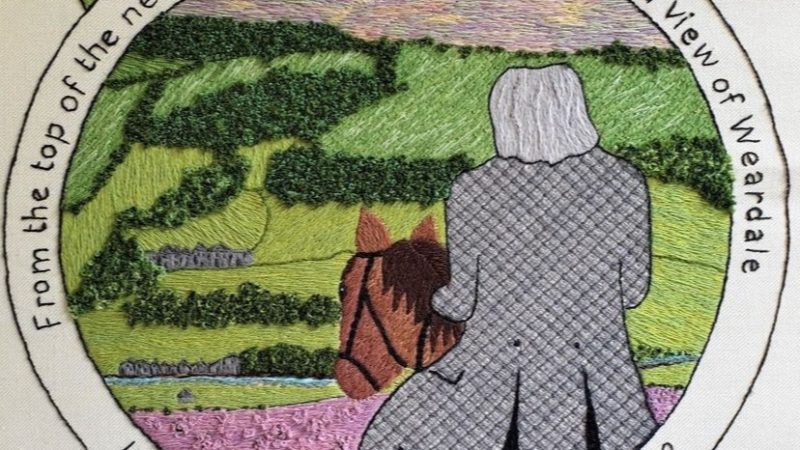
Comunity
The Weardale Museum is a place to explore the stories, traditions and people that make the Dale special. Created by local volunteers, it brings together memories and objects from across the area, helping residents and visitors connect with Weardale’s rich heritage. Whether you have family ties here or are discovering the Dale for the first time, there’s a story to spark your curiosity.
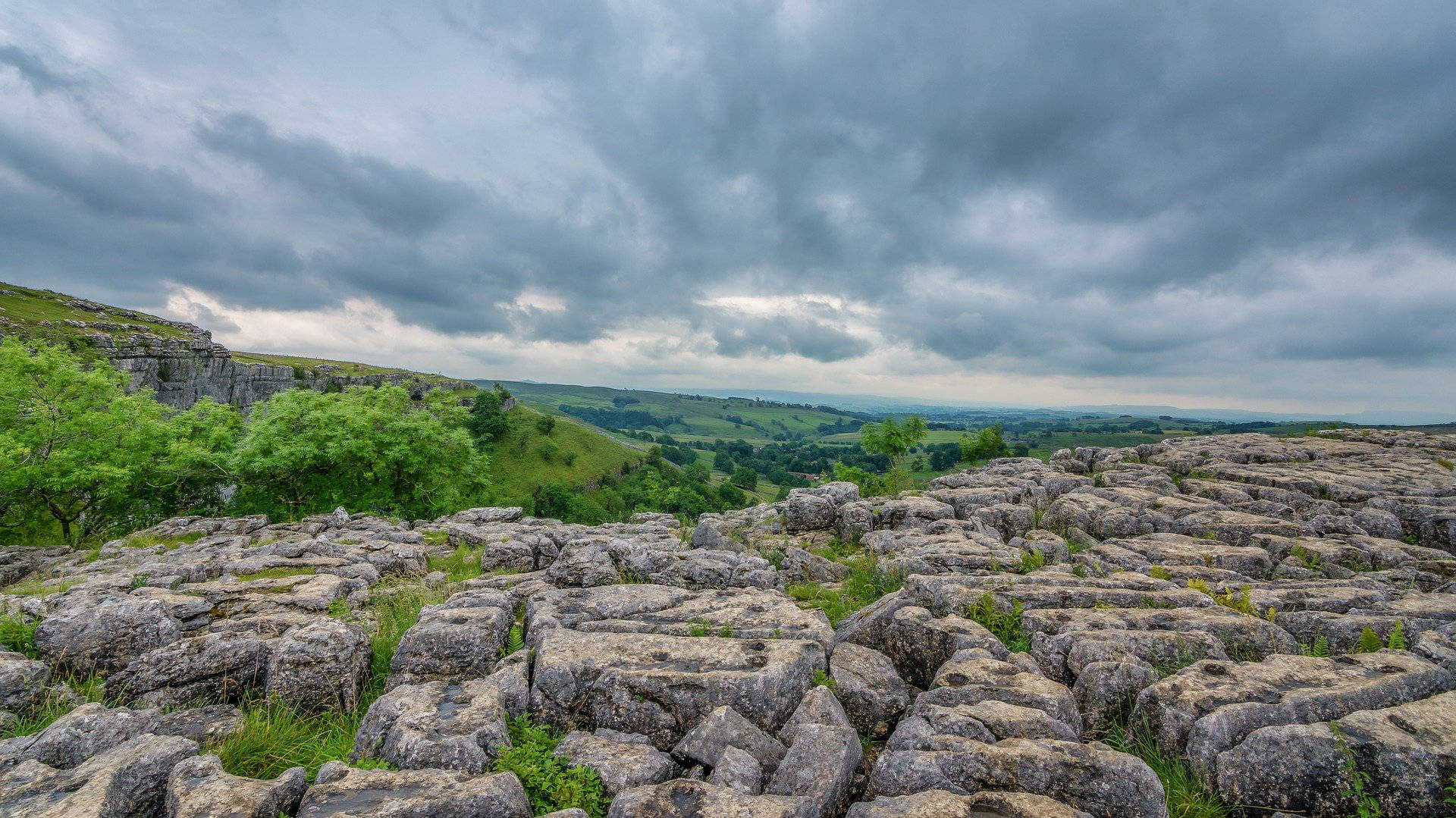
Roman History
Roman activity in Weardale is reflected in remarkable local finds. Two third-century altars discovered at Eastgate and Bollihope were dedicated to Silvanus, a Roman god associated with woodland and hunting. Their inscriptions suggest that Roman officers travelled into the Dale on hunting expeditions. Coins found at Slitt Wood offer another glimpse of Roman life in the area. Explore these discoveries and what they tell us about Weardale nearly 2,000 years ago.
Tapestry
The Methodist Tapestries Project is a community-driven embroidery initiative based at Weardale Museum in County Durham, UK. It aims to create a collection of embroidered panels that tell stories from Methodist history and heritage through textile art.
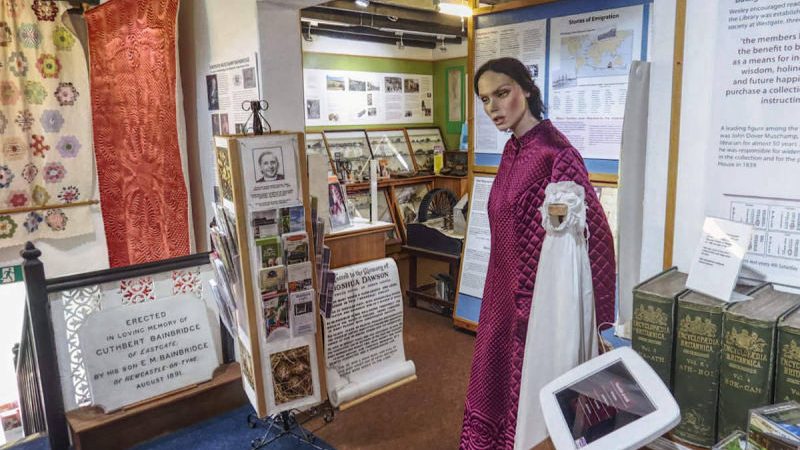
Crafts
Discover the creativity and practical skills that have been part of life in Weardale. The Museum’s objects and stories offer a glimpse of how people made, repaired and decorated the things they needed, using the materials and knowledge available to them. From everyday handiwork to locally made keepsakes, these crafts reveal another side of the Dale’s heritage and the resourcefulness of its people.
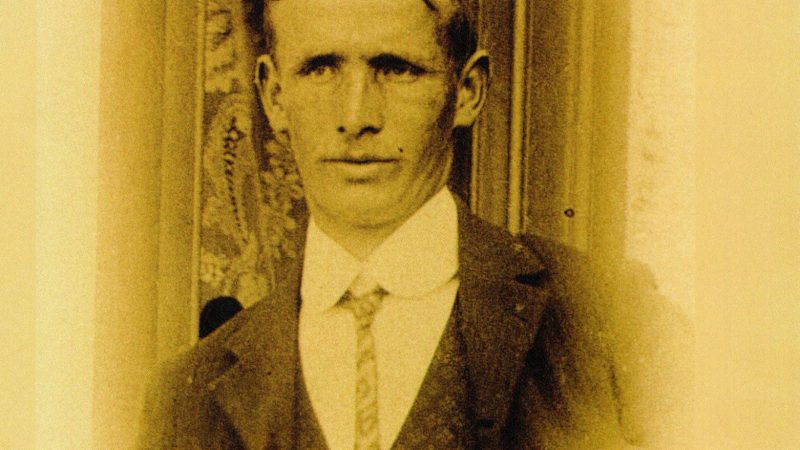
Items for sale
The Shop offers a wonderful range of souvenirs, books, and locally inspired gifts, perfect for remembering your visit or sharing a piece of Weardale with friends and family. Visitors can browse and purchase items in person during opening hours, or explore our online shop to have selected products delivered straight to their door. Every purchase helps support the museum and its ongoing work to preserve and share the region’s heritage.
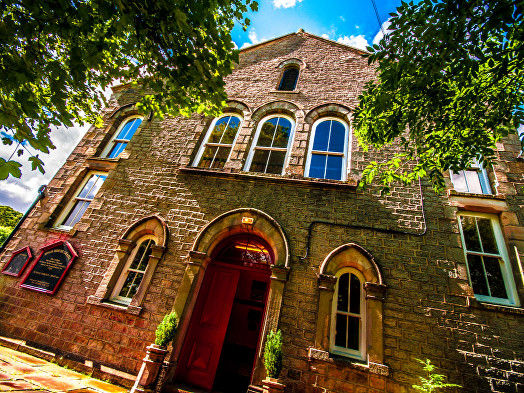
40+
YEARS
Our Legacy
40+Years of history
- Located in Weardale
- Stories of Weardale History
- Oldest Methodist Chapel in continuous use